


Compare quotes from trusted providers










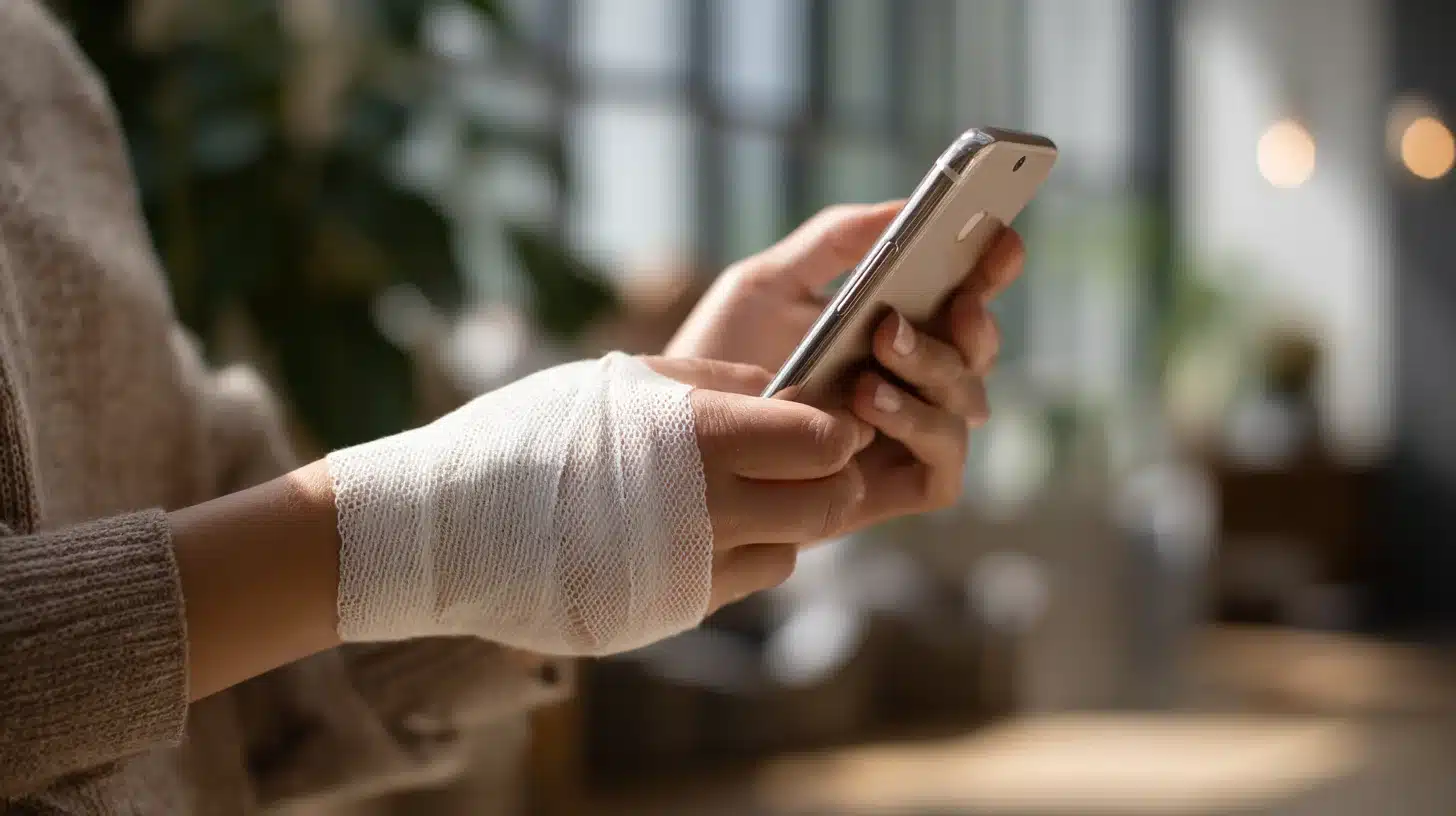
Accident insurance, known as Ulykkesforsikring in Danish, is a fundamental part of financial protection for residents in Denmark. While the Danish public healthcare system provides free medical treatment for injuries, it does not offer financial compensation for permanent physical damage or loss of earning capacity. Accident insurance fills this gap by providing a tax-free lump sum if an accident results in a permanent disability. Insurance in Denmark requires understanding specific local terms and coverage limitations that differ from other countries.
Most expats are accustomed to insurance policies that bundle various protections. In Denmark, policies are often unbundled. You must actively select specific coverages to ensure full protection. Accident insurance is voluntary but considered essential by most Danes. It covers you financially if you slip on ice, fall off a bike, or suffer an injury during sports. Without it, a permanent injury could leave you with significant physical limitations and no financial recourse.
What is Ulykkesforsikring?
Ulykkesforsikring is designed to compensate you for permanent physical harm caused by a sudden, external event. It is distinct from health insurance or life insurance. The primary purpose is to pay a lump sum based on the severity of a permanent injury, known as the degree of disability (méngrad).
Standard accident insurance covers situations such as traffic accidents, falls, and sports injuries. It typically covers the policyholder 24 hours a day if they choose full-time coverage, or only during leisure hours if they choose part-time coverage. The payout is intended to help adapt your life to your new physical reality, such as renovating a home for accessibility or compensating for a loss in quality of life.
Defining an “Accident” in Danish Insurance
Danish insurance companies use a specific definition for an accident. Traditionally, it is defined as “a sudden, external event that causes physical injury.” This means the injury must happen quickly and be caused by something outside of yourself, like being hit by a car or tripping over a curb.
Many modern policies have expanded this definition to include “sudden lifting injuries” or twisting injuries. This is relevant if you injure your back while lifting a heavy box or tear a ligament while turning quickly in a game of football. However, you must check the policy terms (betingelser). Cheaper policies may stick to the strict definition, excluding lifting injuries or sports twists that do not involve an external blow.
Full-Time vs. Leisure-Time Coverage
When purchasing accident insurance, you will encounter two main categories: Heltidsulykkesforsikring (Full-time accident insurance) and Fritidsulykkesforsikring (Leisure-time accident insurance). Understanding the difference can save you money or prevent coverage gaps.
Fritidsulykkesforsikring (Leisure-Time)
This policy covers you only during your time off work. It is the most common choice for employees in Denmark. Under Danish law, employers must provide Arbejdsskadeforsikring (Workers’ Compensation) for all employees. This covers accidents that occur during working hours.
Because you are already covered at work, you only need to insure your private time. This reduces the premium significantly. Coverage typically starts the moment you leave your workplace and ends when you arrive back at work.
Heltidsulykkesforsikring (Full-Time)
This policy covers you 24 hours a day, regardless of whether you are at work or at home. This is essential for self-employed individuals, students, and those who do not have employer-provided coverage. It is also useful for people who want double coverage. If you have a full-time policy and are injured at work, you may be eligible for compensation from both your private insurance and your employer’s insurance.
The Yellow Health Card vs. Accident Insurance
Expats often confuse the coverage provided by the public healthcare system with private insurance. The yellow health card (CPR card) gives you access to doctors and hospitals. If you break your leg, the public system will X-ray it, cast it, and provide emergency care for free.
However, the public system does not pay you money for the pain, suffering, or permanent limp that results from the break. It also generally does not cover dental repairs needed after an accident, nor does it cover extensive physiotherapy once the acute phase is over. Accident insurance steps in here. It pays for the permanent disability and often covers the costs of treatments like physiotherapy, chiropractic care, and dental work resulting from the accident.
Private Health Insurance (Sundhedsforsikring)
It is important to distinguish accident insurance from sundhedsforsikring (private health insurance). While accident insurance pays a lump sum for permanent injury, private health insurance is designed to provide faster access to treatment.
Sundhedsforsikring allows you to bypass public waiting lists for specialists, surgeries, and diagnostic imaging. It often covers psychology sessions and ongoing physical therapy for non-accidental issues, such as wear and tear or illness. Many employers offer this as a perk. Having a health insurance policy does not replace the need for accident insurance, as health insurance does not provide lump-sum compensation for disability.
Understanding Indboforsikring (Home Contents)
Another common point of confusion is indboforsikring. This is often translated as “home contents insurance,” but in Denmark, it is a hybrid product. It covers your physical belongings (furniture, electronics, clothes) against theft and fire, but it also includes the crucial Ansvarsforsikring (Personal Liability Insurance).
If you ride your bicycle and crash into a pedestrian, injuring them, your Indboforsikring pays for the pedestrian’s injuries. It does not pay for your own injuries. Your Ulykkesforsikring pays for your own injuries. Therefore, a complete insurance portfolio for a single person usually consists of both an Indboforsikring and an Ulykkesforsikring.
Coverage for Dental Damage
Dental care is privatized and expensive in Denmark for adults (over 18 or 21, depending on recent legislation changes). The public health card does not cover routine dental work or repair of broken teeth.
Accident insurance is the primary way to protect against high dental bills caused by accidents. If you trip and smash your front teeth, the bill can easily reach tens of thousands of kroner. Your accident insurance will cover reasonable treatment costs to repair the damage. Note that this only applies to sound, healthy teeth. If your teeth were already decaying or heavily filled, the insurance might reduce the payout. It does not cover damage caused by chewing on hard food.
Degree of Disability (Méngrad)
The core of any Danish accident policy is the méngrad. This is a percentage that quantifies how much permanent physical damage you have suffered. Doctors and the insurance company determine this percentage based on official tables from Arbejdsmarkedets Erhvervssikring.
Insurance payouts are triggered only if the disability reaches a certain threshold. The standard thresholds are 5% or 8%.
- 5% Threshold: You receive compensation if your disability is assessed at 5% or higher. This is the better, more expensive option.
- 8% Threshold: You only receive compensation if the disability is 8% or higher. Minor permanent injuries (like a stiff finger) might fall below this, meaning you get zero compensation.
If your disability is assessed at 10% and your sum insured is 1,000,000 DKK, you will receive 100,000 DKK tax-free. If you are 100% disabled, you receive the full sum. Some policies offer “double compensation” for disabilities over 30%, providing extra financial security for severe accidents.
Immediate Treatment Coverage
Beyond the lump sum for permanent injury, accident insurance covers immediate treatment costs associated with the accident. This is vital because the public system stops coverage once you are discharged from the hospital.
Covered treatments typically include:
- Physiotherapy and Chiropractic: To aid recovery and prevent permanent damage.
- Psychological Crisis Aid: If you are traumatized by a severe accident (e.g., a violent robbery or car crash).
- Transportation: Ambulance costs abroad or transport to treatments if you cannot drive.
Always consult your insurance provider before starting treatment to ensure they approve the specific practitioner and number of sessions.
Motorcycles and Dangerous Sports
Standard accident insurance policies often exclude “dangerous sports” or high-risk activities. In Denmark, this can include boxing, martial arts, parachuting, and sometimes even ice hockey. If you participate in these activities, you must inform your insurer and likely pay a higher premium for extended coverage.
Motorcycle riding is another specific category. While car insurance Denmark covers the vehicle and liability, the driver of a motorcycle is very vulnerable. Some accident policies cover motorcycle accidents automatically, while others require a specific add-on (tilvalg). Driving a motorcycle without verifying your accident coverage is a significant financial risk.
Children and Accident Insurance
A common misconception among expat parents is that schools or municipalities insure children. This is rarely the case in Denmark anymore. If your child falls on the playground at school or breaks an arm at kindergarten, the school’s insurance does not cover the child’s injury.
Parents must purchase a Børneulykkesforsikring (Child Accident Insurance). These policies are relatively inexpensive and cover the child 24/7, including during school, sports, and leisure time. They often include coverage for dental damage, which is critical as children frequently damage teeth during play. Coverage usually lasts until the child turns 18, at which point they must transition to an adult policy.
Bundling Discounts (Samlerabat)
Insurance in Denmark is competitive, and loyalty is rewarded. Almost all insurance companies Denmark offer a Samlerabat (bundling discount). This occurs when you place multiple policies with a single provider.
Typically, if you combine three types of insurance—for example, home contents, accident, and car—you can receive a discount ranging from 10% to 20% on your total premium. Furthermore, bundling often eliminates the deductible (selvrisiko) on certain claims or provides better coverage terms. When shopping for accident insurance, it is always worth asking your current provider for a quote to see if you qualify for these multi-policy benefits.
Requirements for Buying Insurance
To purchase accident insurance in Denmark, you generally need two things: a CPR number (civil registration number) and a registered address in Denmark. Most administrative interactions are handled digitally.
You will need MitID (Danish digital ID) to sign the policy documents and access your insurance overview online. If you have just arrived and do not yet have a CPR number, some international insurance brokers may offer temporary coverage, but standard Danish providers require you to be in the system. Payments are almost exclusively handled via Betalingsservice (automatic direct debit), which ensures your policy does not lapse due to missed payments.
Essential vs. Optional Insurances in Denmark
Newcomers often struggle to distinguish between what is legally required and what is simply a good idea. The Danish system mandates specific insurances depending on your assets and lifestyle. Other insurances are voluntary but highly recommended due to the high cost of living and liability risks.
The following table categorizes common insurances to help you prioritize your budget.
| Insurance Type | Danish Term | Status |
|---|---|---|
| Third-Party Car Liability | Ansvarsforsikring (Bil) | Mandatory by Law |
| Dog Liability | Hundeforsikring (Ansvar) | Mandatory by Law |
| Fire Insurance (if owning a house) | Husforsikring (Brand) | Mandatory by Law (for mortgage holders) |
| Home Contents & Liability | Indboforsikring | Highly Recommended (Essential) |
| Accident Insurance | Ulykkesforsikring | Highly Recommended (Essential) |
| Unemployment Insurance | A-kasse | Highly Recommended |
| Private Health Insurance | Sundhedsforsikring | Optional |
| Life Insurance | Livsforsikring | Optional |
| Electronics Insurance | Elektronikforsikring | Optional |
While only specific liability coverages are required by law, living without Indboforsikring (contents insurance) and Ulykkesforsikring (accident insurance) is risky. Indboforsikring is particularly unique because it covers your personal liability if you accidentally harm others or their property. If you do not have this, you are personally liable for damages that could amount to millions of kroner. Accident insurance protects your own body and future income.
The Claims Process
If you suffer an accident, the claims process is straightforward but requires documentation. You must report the accident to your insurance company as soon as possible via their website using MitID.
Steps for a successful claim:
1. Seek Medical Attention: You must see a doctor (GP or emergency room) immediately after the accident. The medical report serves as proof that the injury happened at a specific time and was caused by a specific event.
2. Wait for Stability: A permanent disability cannot be assessed until the injury has stabilized. This usually takes one year. You cannot claim the lump sum immediately after breaking a leg.
3. Assessment: After a year, if you still have pain or limitations, a specialist doctor will assess your degree of disability (méngrad).
4. Payout: If the degree exceeds your policy threshold (5% or 8%), the money is transferred to your NemKonto (easy account).
Pet Liability vs. Accident Insurance
For pet owners, it is vital to distinguish between mandatory liability and accident coverage for the animal itself. Mandatory dog insurance (Hundeansvarsforsikring) is required by law. It covers damage your dog causes to other people or their property. It does not cover vet bills if your dog gets hurt.
Similarly, your personal accident insurance does not cover injuries caused to you by your own pet, nor does it cover the pet’s injuries. If you want coverage for vet bills, you need a separate animal health insurance policy. If you trip over your own dog and break your wrist, your accident insurance covers your wrist, but the dog liability insurance is irrelevant in that scenario.
Choosing the Right Sum Insured
When setting up your policy, you must choose a “sum insured” (forsikringssum). This is the maximum amount payable if you become 100% disabled. A common starting point is 1,000,000 DKK, but many experts recommend setting it higher, often around 2,000,000 DKK or more, depending on your age and income.
Younger people generally need a higher sum insured because a disabling accident early in life has a longer financial impact. The premium increases as the sum insured rises, but the difference is often negligible compared to the increased security. Remember that this payout is tax-free in Denmark, providing a clean financial buffer to restructure your life.
Alcohol and Gross Negligence
Danish insurance policies contain exclusions for accidents caused by “gross negligence” (grov uagtsomhed) or intoxication. If you are injured while driving under the influence of alcohol or drugs, your accident insurance will likely refuse to pay. Similarly, if you engage in reckless behavior, such as climbing onto a moving train or setting off illegal fireworks, coverage may be voided.
However, for general clumsiness or bad luck—even if you had a glass of wine at dinner before tripping on the stairs—coverage usually remains valid. The distinction lies in whether the intoxication was the direct cause of the accident and if the behavior was reckless.
Changing Insurance Providers
You are not locked into an insurance contract forever. In Denmark, you can typically cancel or switch insurance providers with one month’s notice to the end of a month, provided you have held the policy for at least one year. Some companies allow switching sooner with a small fee.
When you switch, the new company usually handles the cancellation of the old policy. This is an excellent opportunity to re-evaluate your coverage needs. As you settle into life in Denmark, buy a house, or have children, your need for higher disability sums or full-time coverage may change. Regularly reviewing your Ulykkesforsikring ensures you are not under-insured.