Filter & Sort
- Type Variable
- Billing Prepaid
- Commitment None
- Payment fee 6 DKK
- Type Variable
- Billing Prepaid
- Commitment None
- Payment fee 6 DKK
-
Intro Offer0 DKK sub. and spot supplement for 3 months
- Type Variable
- Billing Prepaid
- Commitment None
- Payment fee 6 DKK
- Type Variable
- Billing Prepaid
- Commitment None
- Payment fee 6 DKK
- Type Fixed
- Billing Prepaid
- Commitment None
- Payment fee 6 DKK
- Type Fixed
- Billing Prepaid
- Commitment None
- Payment fee 6 DKK
Moving to a new country involves navigating various administrative tasks, and setting up utilities is often a priority. SEF Energi is one of the established electricity providers available to residents in Denmark. Understanding how this company operates and how it fits into the broader energy market is essential for new arrivals.
Denmark operates a liberalized energy market. This means that while the physical infrastructure is fixed, the retail market for electricity is open to competition. Consumers have the freedom to choose which company bills them for their power consumption.
When you sign a lease for an apartment or buy a house, the responsibility for electricity almost always falls on you. The landlord typically does not manage this contract for you. You must actively register with a provider to ensure the lights turn on when you move in.
The Difference Between Grid Operators and Electricity Providers
A common point of confusion for expats is the distinction between the grid operator and the electricity provider. In Denmark, these are two separate entities with different roles. You will often see two different company names associated with your power supply.
The grid operator, known in Danish as the Netselskab, owns the physical cables, meters, and infrastructure. They are responsible for transporting electricity to your home and maintaining the grid. You cannot choose your grid operator. It is determined solely by your geographical location.
The electricity provider, known as the Elleverandør, is the commercial entity that sells you the energy. SEF Energi is an example of an electricity provider. You are free to choose any provider in Denmark, regardless of where you live.
Your electricity bill will reflect costs from both entities. However, in most modern contracts, the electricity provider collects the total amount and pays the grid operator their share. This simplifies the process so you only receive one bill.
Setting Up Electricity as an Expat
The process of setting up electricity in Denmark is generally digital and straightforward. However, it requires specific identification numbers that are unique to the Danish system. The most critical requirement is the CPR number (civil registration number).
Most providers also require MitID for online self-service platforms. MitID is the national digital ID used for banking and government services. If you have just arrived and do not yet have a CPR number or MitID, signing up online can be difficult.
In cases where you lack these IDs, you may need to call the provider’s customer service directly. Many companies, including SEF Energi, are accustomed to handling inquiries from international residents. They can often set up a contract manually if you provide proof of address and identification.
You should register for electricity as soon as you have your move-in date. Ideally, this should be done a few days before you receive the keys. If you fail to register, the power may still work initially, but you risk being placed on a default “obligation to supply” contract, which is often more expensive.
SEF Energi Contract Types: Fixed vs. Variable
When selecting a product from SEF Energi or any other provider, you will encounter two main pricing models. Understanding the difference between these is crucial for managing your monthly budget.
Variable Price (Variabel Pris)
A variable price contract tracks the market price of electricity closely. The price you pay per kilowatt-hour (kWh) changes hour by hour. These prices are based on the Nord Pool power exchange.
Prices are typically lower at night or when there is abundant wind and solar energy generation. This model benefits consumers who can shift their consumption to off-peak hours. Washing clothes or charging devices at night can result in savings.
Fixed Price (Fast Pris)
A fixed price contract locks in a specific rate for a set period, usually 3, 6, or 12 months. The price per kWh remains the same regardless of when you use the power. This provides budget security and eliminates surprises caused by market spikes.
However, fixed prices usually include a risk premium. This means the average price over time may be higher than a variable contract. You pay extra for the security of knowing exactly what your unit cost will be.
Understanding Electricity Prices in Denmark
Denmark has some of the highest electricity prices in Europe. It is important to understand that the actual cost of the energy you use is only a small fraction of the total bill. The majority of the cost consists of taxes, VAT, and transportation fees.
The following table illustrates the typical breakdown of a Danish electricity bill. This helps clarify why your bill remains high even if you reduce your consumption.
| Component | Danish Term | Description | Approximate Share of Bill |
|---|---|---|---|
| Spot Price | Spotpris | The actual market price of the electricity generated. | 15% – 25% |
| Grid Tariffs | Nettarif / Transport | Fee paid to the grid operator for using the cables. | 20% – 30% |
| Electricity Tax | Elafgift | State tax levied on electricity consumption. | 35% – 45% |
| VAT | Moms | Value Added Tax applied to the total sum. | 20% (of total) |
As shown in the table, the raw energy price is the only part of the bill that you can influence by choosing a cheaper provider. The grid tariffs and taxes are mandatory and identical regardless of which company sends you the bill. Electricity prices Denmark fluctuate, but the heavy taxation remains a constant factor for all households.
Grid tariffs also vary depending on the time of day. Many grid operators charge significantly higher transport fees between 17:00 and 21:00 during the winter months. This is to discourage heavy usage during peak load times.
Billing Methods: Aconto vs. Actual Usage
A major source of confusion for foreigners in Denmark is the “Aconto” billing system. Many utility companies, including SEF Energi, may use this method. Aconto means “on account” or estimated billing.
Under an Aconto system, the provider estimates your future consumption for the coming quarter. They send you a bill in advance based on this estimate. You pay for electricity you have not yet used.
Once the quarter is over, the grid operator reads your meter remotely. The provider then calculates your actual usage. Any difference between the estimated amount and the actual amount is adjusted on the next bill. If you used less, you get a credit. If you used more, you pay the difference.
Some providers offer monthly billing based on actual consumption, often for a small additional fee. This is known as bagudbetalt (paid in arrears). This method is often preferred by expats as it aligns better with budgeting practices in other countries.
SEF Energi: Company Background
SEF Energi is part of the SEF group, which stands for Sydfyns Elforsyning. The company has roots dating back over a century and is based on the island of Funen (Fyn). It operates as a cooperative, which is a common business structure in Denmark.
Being a cooperative means the company is technically owned by its customers in the local area. While their historical base is South Funen, they supply electricity to customers across the entire country. They position themselves as a company focused on customer service and local community support.
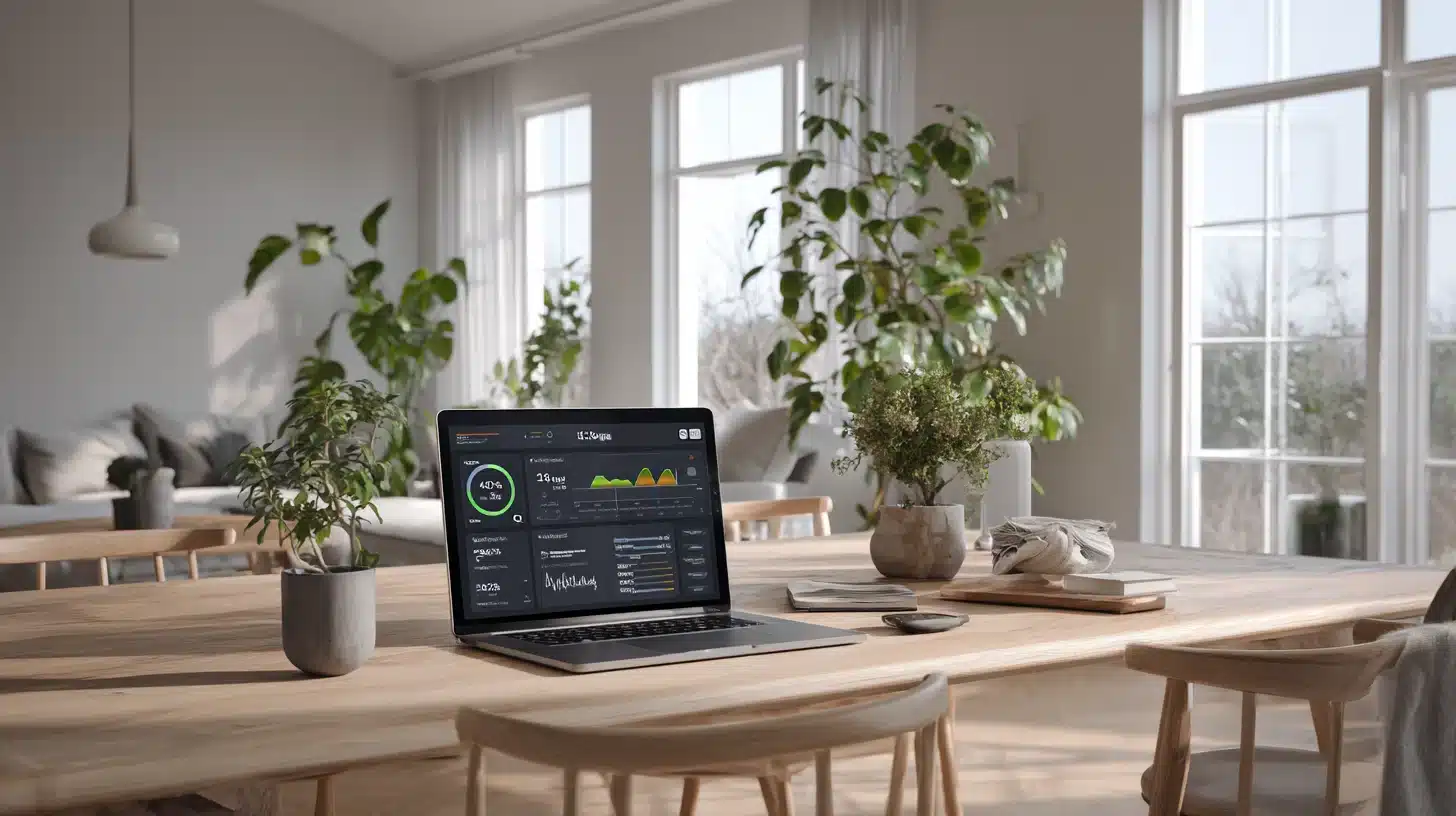
They offer a variety of digital tools to help customers track consumption. Their app allows users to see hour-by-hour pricing, which is essential for those on variable contracts. Monitoring these prices helps in shifting consumption to cheaper hours.
The Green Transition and Renewable Energy
Denmark is a global leader in renewable energy, particularly wind power. A significant portion of the electricity in the Danish grid comes from wind turbines and solar panels. When you choose a provider, you are tapping into this mixed grid.
Many providers, including SEF Energi, offer specific “green” products. These contracts guarantee that the company purchases certificates of origin corresponding to your consumption. This ensures that for every kWh you use, a kWh of renewable energy is produced.
It is important to note that the electricity coming out of your socket is the same regardless of your contract. The grid mixes power from all sources, including wind, solar, biomass, and coal. Green contracts are a way to support the financial viability of renewable energy projects.
Comparing SEF Energi to Other Providers
Since the market is free, it is wise to compare different companies. Electricity providers Denmark compete primarily on the subscription fee and the surcharge per kWh.
The surcharge (tillæg) is the amount the provider adds on top of the raw market price to make a profit. Some companies have high subscription fees but low surcharges, which suits high-consumption households. Others have no subscription fees but higher surcharges, which may benefit smaller apartments.
Competitors in the market include large established players and smaller discount challengers. For example, OK electricity is another cooperative-owned brand that is widely recognized. When comparing SEF Energi to others, look closely at the “Introductory Offers.” These offers often provide very low prices for the first six months, after which the price increases to a standard rate.
Moving Out and Canceling Contracts
When you move out of a Danish apartment, you must actively cancel your electricity contract or transfer it to your new address. You cannot simply walk away. If you do not inform the provider, you will remain liable for the electricity used by the next tenant.
You should notify SEF Energi or your chosen provider of your move-out date. You will also need to provide a forwarding address for the final bill. The final reading is usually done automatically via the smart meter.
If you are moving to a new address within Denmark, you can usually take your contract with you. This is often easier than cancelling and signing up for a new provider, as it maintains your billing history.
Payment Options and Betalingsservice
Paying bills in Denmark is almost exclusively done through digital channels. The most common method is Betalingsservice (Direct Debit). You register your bill with your bank, and the amount is deducted automatically on the due date.
Using Betalingsservice is highly recommended for electricity bills. It ensures you never miss a payment, which prevents late fees. Late fees in Denmark can be substantial. Some providers charge an extra fee if you choose to pay by manual bank transfer (Girokort) instead of Direct Debit.
SEF Energi supports Betalingsservice. When you receive your first bill, it will contain the necessary information to register the payment agreement in your online banking app.
Electrical Zones: DK1 vs. DK2
Denmark is divided into two pricing zones for electricity. DK1 covers Western Denmark (Jutland and Funen). DK2 covers Eastern Denmark (Zealand and the islands).
Prices in these two zones can differ. DK1 is physically connected to the German grid, while DK2 is connected to the Swedish grid. Sometimes wind power is abundant in the West, making DK1 cheaper. At other times, hydro power availability in Sweden makes DK2 cheaper.
SEF Energi supplies customers in both zones. However, your specific price per kWh will depend on which zone you reside in. You do not need to select a zone; it is automatically determined by your address.
Customer Support and Language Barriers
For non-Danish speakers, customer service accessibility is a key factor. Most major Danish utility companies have support staff who speak English. However, websites and self-service portals are frequently in Danish only.
SEF Energi’s website is primarily in Danish. This is standard for the industry. Using browser translation tools is often necessary for navigating the signup pages and “My Page” customer portals. Terms and conditions are also typically in Danish.
When calling for support, wait for the menu options. Even if the recorded menu is in Danish, pressing the option for “Kundeservice” (Customer Service) will usually connect you to an agent who can converse in English.
Tips for Reducing Your Bill
Given the high taxes and fees, reducing consumption is the most effective way to lower your costs. Even small changes in behavior can impact the final sum. Finding the cheapest electricity Denmark offers helps, but usage habits matter more.
Heating is the largest energy consumer. If your home has electric heating or a heat pump, your electricity bill will be significantly higher than homes with district heating (fjernvarme). Ensure your home is well-insulated and lower the thermostat by one degree to see savings.
Use the timer function on appliances. Dishwashers and washing machines should be run during off-peak hours, typically late at night or mid-day on weekends. This avoids the high grid tariffs that apply during the evening peak.
Turn off “vampire” appliances. Devices left on standby can account for a surprising amount of yearly consumption. Using power strips with switches allows you to cut power to multiple devices at once.
Summary of Key Requirements
To finalize a contract with SEF Energi or any other provider, ensure you have the following information ready:
- CPR Number: Your civil registration number.
- Address: The exact official address of your new home.
- Move-in Date: The date your lease begins or you take ownership.
- Bank Details: For setting up Betalingsservice.
- Email and Phone: For receiving bills and notifications.
Having these details prepared streamlines the process and ensures you have power from day one.