


- Get your first month FREE
- Call 10 hours to +60 countries from Denmark
- Satisfaction guarantee

- No binding
- Cheap telephony
Moving to Denmark requires immediate access to digital services. A working phone number and data connection are essential for navigation, translation, and accessing public services. For many new arrivals, a prepaid eSIM Denmark offers the fastest route to connectivity. This technology allows users to download a digital SIM profile to their smartphone without visiting a physical store.
Denmark has a highly developed telecommunications infrastructure. The country consistently ranks high globally for mobile network speed and coverage. 4G LTE is ubiquitous, covering nearly 100% of the population, while the newer 5G network is rapidly expanding across all major cities and many rural areas.
For an expat, the process of getting a phone plan is divided into two distinct phases: before receiving a CPR number and after receiving a CPR number. The CPR number (Civil Registration Number) is the key to accessing standard postpaid subscriptions. Until you have this number and a registered Danish address, your options are generally limited to prepaid services or tourist-focused eSIMs.
The Danish Mobile Network
Understanding the underlying network structure helps in choosing the right provider. Denmark has three main network operators that own the physical cell towers and infrastructure.
- TDC Net: Historically the national provider, TDC generally offers the most extensive coverage, particularly in remote rural areas.
- TT-Netværket (Telia and Telenor): These two major companies merged their radio access networks in Denmark. They share towers to provide comprehensive coverage that rivals TDC.
- 3 (Tre): This operator owns its own network, which is very strong in major cities like Copenhagen, Aarhus, and Odense. In areas where 3 does not have towers, it has roaming agreements to ensure users stay connected.
Dozens of smaller providers, known as Mobile Virtual Network Operators (MVNOs), operate on these three networks. These smaller companies often offer cheaper prices because they do not have to maintain physical infrastructure. For example, CBB Mobil uses the Telenor/Telia network, while Oister uses the 3 network.
Mobile Plans and Pricing Overview
The cost of mobile data in Denmark is competitive compared to many other European countries and significantly lower than in North America. Competition between the three main networks and the numerous MVNOs keeps prices down and data allowances high.
The following table compares the typical options available to foreigners and locals. Prices are indicative and subject to change.
| Plan Type | Target Audience | Data Included (DK) | EU Roaming Data | Indicative Price (Monthly) |
|---|---|---|---|---|
| Prepaid Pay-As-You-Go | Tourists, short-term visitors | Per MB usage | None / High cost | No fixed fee (High usage rates) |
| Prepaid Package (e.g., Lebara/Lyca) | New expats (No CPR), Students | 100 GB – Unlimited | 5 GB – 10 GB | 99 – 179 DKK |
| Small Postpaid Subscription | Residents with CPR | 20 GB – 50 GB | 10 GB – 20 GB | 89 – 119 DKK |
| Unlimited Postpaid Subscription | Heavy users, Families | Unlimited | 25 GB – 40 GB | 179 – 249 DKK |
Value for money is a defining feature of the Danish market. It is rare to find contracts that lock customers in for long periods. Most subscriptions operate on a month-to-month basis. Even prepaid packages often function like subscriptions, automatically renewing every 30 days if there is credit on the account or a linked payment card.
Expats should note that “Unlimited Data” in Denmark usually refers to usage within Danish borders. Usage within the rest of the EU is subject to a “Fair Use Policy” cap, which is mandated by EU regulations.
The CPR Number Barrier
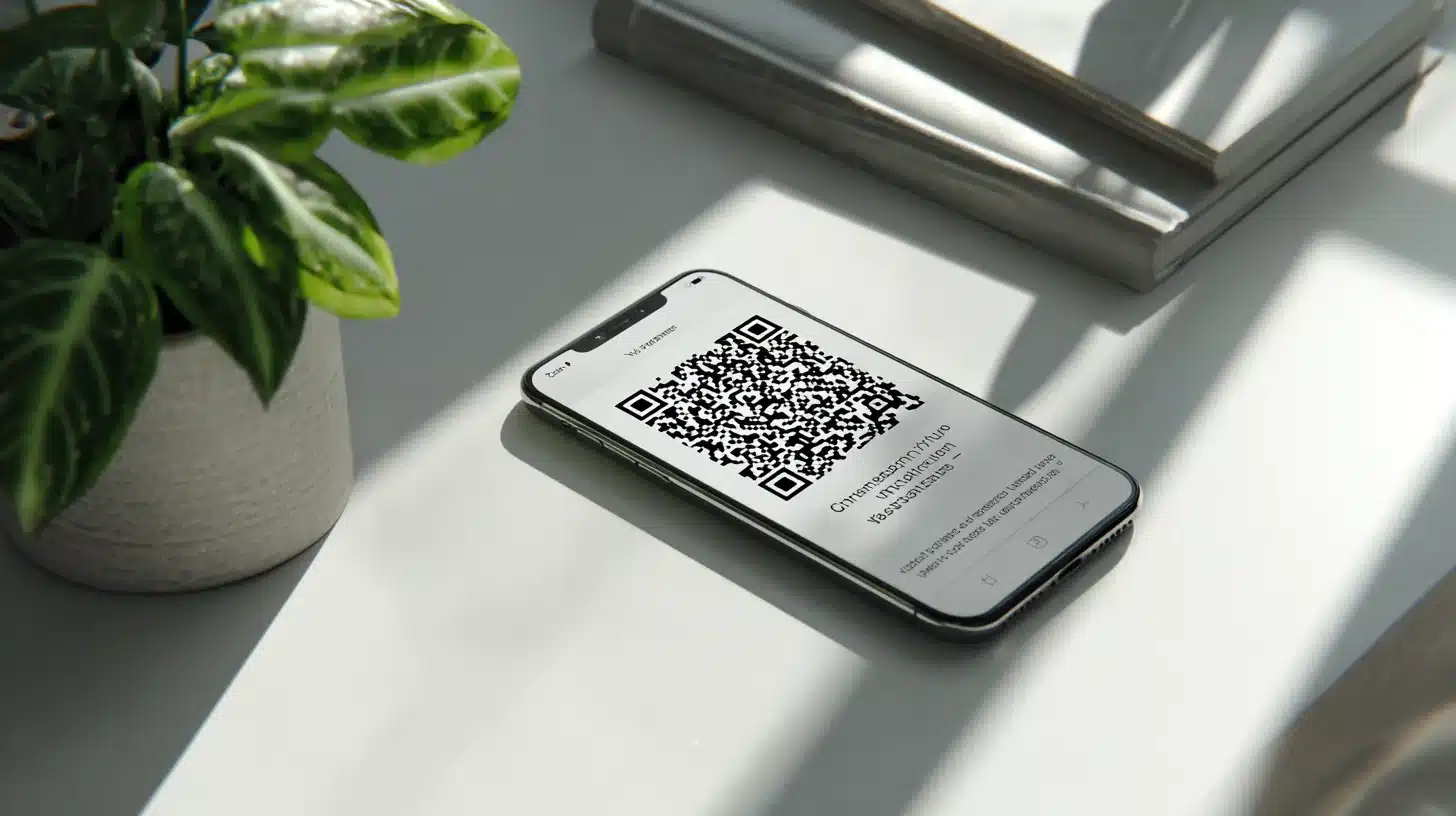
The most significant hurdle for a newcomer is the requirement for a CPR number. To sign up for a standard mobile plans in Denmark with major carriers like Telia, Telenor, or 3, you must provide a CPR number. Furthermore, signing the digital contract usually requires MitID, the Danish digital signature system.
New arrivals typically wait weeks or even months to receive their CPR number and activate MitID. During this interim period, standard postpaid contracts are inaccessible. You cannot walk into a Telenor shop and sign a contract using only a foreign passport.
This restriction makes prepaid options the only viable choice for the initial settlement period. Prepaid providers do not require a CPR number for activation. They simply require a valid ID (passport) for registration in compliance with anti-terrorism laws, though this is often handled loosely at kiosks or via online verification.
Prepaid SIM Cards for Non-CPR Holders
If you do not have a CPR number, you should look for prepaid starter packs. The two most prominent providers in this segment are Lebara Denmark and Lyca Mobile.
These SIM cards are widely available at:
- 7-Eleven kiosks.
- Supermarkets (Netto, Føtex, Coop 365).
- Corner shops and tobacco kiosks.
- Copenhagen Airport arrivals hall (though often at a markup).
Lebara and Lyca operate on major networks (Lebara uses Telenor/Telia; Lyca uses TDC). This ensures that signal quality is identical to expensive contract